
Understanding Push and Pull Workouts
Push and pull workouts are a simple and effective way to structure strength training. The concept divides exercises into two groups:
• Push exercises – Movements where you push weight or resistance away from your body. These target the chest, shoulders, and triceps. Examples include push ups, shoulder presses, and dips.
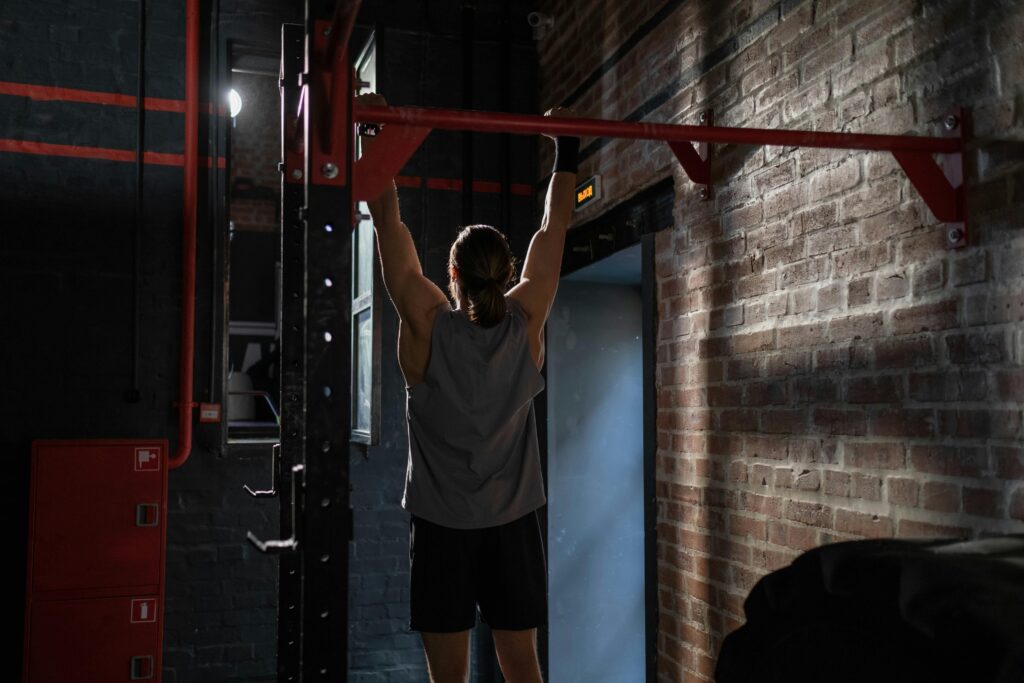
• Pull exercises – Movements where you pull weight or resistance toward your body. These target the back, biceps, and rear shoulders. Examples include rows, pull ups, and bicep curls.
This split makes it easier to plan workouts, ensures balanced muscle development, and prevents overuse injuries. It also simplifies rest days, as one muscle group can recover while the other is trained.
Why Push-Pull Training Works for Beginners
Beginners benefit greatly from push-pull routines because they:
• Simplify workout planning and reduce confusion
• Allow sufficient recovery for each muscle group
• Promote even strength development across upper and lower body
• Can be adapted for home or gym environments
• Reduce the risk of developing muscle imbalances
For beginners looking to start with minimal equipment, exercises in How to Build Strength Without Lifting Weights provide a perfect foundation.
Creating a Beginner-Friendly Push-Pull Routine
A simple weekly push-pull schedule could look like this:
• Monday – Push: Push ups, Dips, Shoulder Press
• Tuesday – Pull: Rows, Pull ups, Bicep Curls
• Wednesday: Rest or light activity like walking or stretching
• Thursday – Push: Incline Push ups, Pike Push ups, Tricep Dips
• Friday – Pull: Bodyweight Rows, Chin ups, Rear Delt Fly
• Weekend: Active recovery or mobility exercises
For each exercise, beginners can start with 2-3 sets of 8-12 repetitions, adjusting as strength improves.
Tips to Maximize Push-Pull Workouts
• Focus on form and control rather than speed or weight
• Track repetitions, sets, and progress over time
• Rotate exercises weekly to avoid plateaus and keep workouts engaging
• Pair this routine with guidance from How Many Sets and Reps Are Best for Building Strength to structure sets, reps, and rest periods for maximum results
Common Mistakes Beginners Should Avoid
Even with a push-pull structure, beginners often make mistakes that slow progress:
• Skipping warm ups before lifting or bodyweight exercises
• Performing too many repetitions too quickly
• Neglecting one muscle group over another
• Failing to include rest and recovery days
Correcting these mistakes ensures faster strength gains, improved posture, and better long-term results.
The Benefits of Push-Pull Training
By using a push-pull routine, beginners gain several advantages:
• Balanced development of upper body muscles
• Efficient recovery for stronger workouts
• Reduced risk of injury from overtraining a single muscle group
• Easy tracking of progress and adjustments
• Adaptability to both home workouts and gym training
Push vs pull workouts are beginner-friendly, flexible, and highly effective. By understanding the difference and applying these principles consistently, you can develop functional strength, improve posture, and create a solid foundation for all future workouts.
Next Steps
Once comfortable with the basic push-pull routine, gradually increase intensity, try new variations, and combine your sessions with other strength or home workouts. Use internal links like The Most Effective Bodyweight Strength Exercises to explore additional exercises and diversify your training.