
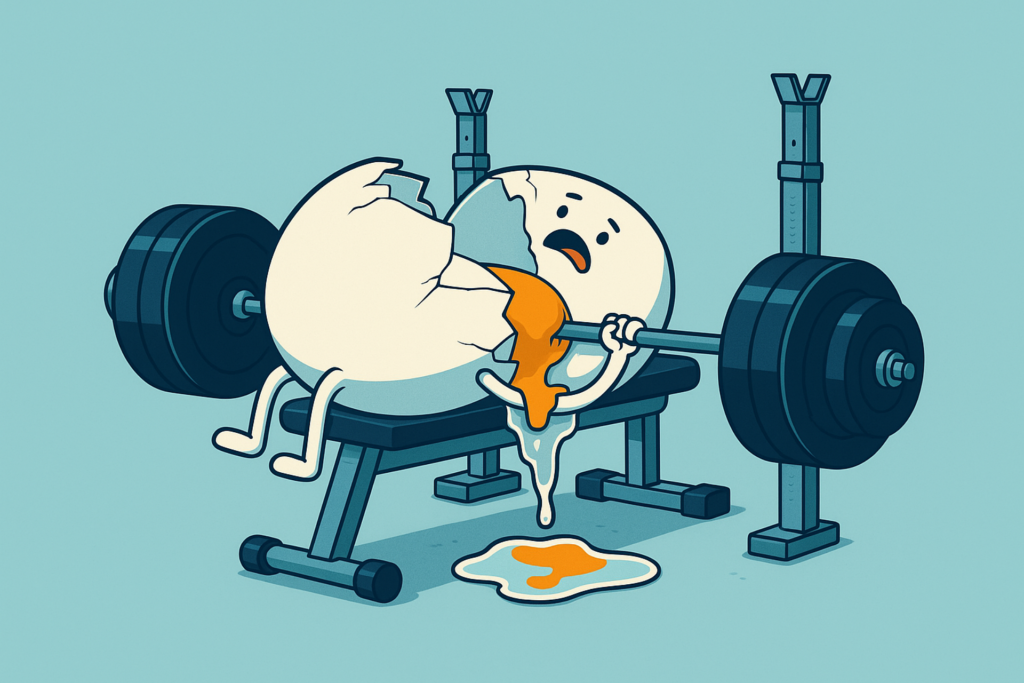
Why Strength Training Mistakes Matter
Strength training is one of the most effective ways to build muscle, increase endurance, and improve overall health. However, making common mistakes can drastically slow your progress and even lead to injury. Understanding what to avoid is just as important as knowing what to do.
Many beginners struggle with form, consistency, or program structure. Even small errors, repeated over weeks and months, can hinder results and create frustration. By recognizing these mistakes early, you can stay on track and maximize your efforts.
Mistake 1 – Poor Form
Using improper form is one of the most frequent issues in strength training. This reduces the effectiveness of exercises and increases injury risk. Examples include rounding the back during squats, letting elbows flare out during push ups, or using momentum instead of controlled movement.
Focus on technique first, then gradually increase intensity. Start with exercises from How to Build Strength Without Lifting Weights to master proper body mechanics.
Mistake 2 – Lifting Too Heavy Too Soon
Many beginners try to lift heavy weights or perform advanced variations before building foundational strength. This can lead to overuse injuries, poor muscle activation, and discouragement.
Progressive overload works best when applied gradually. Begin with lighter weights or bodyweight exercises, then increase resistance once your form is solid.
Mistake 3 – Ignoring Rest and Recovery
Muscles grow and strengthen during recovery, not during the workout itself. Skipping rest days or training the same muscle groups too frequently slows progress and increases the likelihood of overtraining.
Follow structured routines and schedule rest between push and pull days. For guidance on recovery and optimal workout design, see How Many Sets and Reps Are Best for Building Strength.
Mistake 4 – Neglecting a Balanced Program
Focusing only on certain muscles, like the chest or arms, leads to imbalances. Push-pull routines help beginners train evenly across major muscle groups, but neglecting legs, core, or back is still common.
Include exercises from The Most Effective Bodyweight Strength Exercises to ensure your routine strengthens all areas of the body.
Mistake 5 – Skipping Warm Ups and Cool Downs
A proper warm up prepares muscles and joints for exercise, reducing injury risk and improving performance. Skipping it can result in strains, poor form, and slower progress. Cool downs help recovery and reduce soreness.
Dynamic stretches, light cardio, or mobility work are simple but highly effective additions to every session.
Mistake 6 – Lack of Consistency and Tracking
Even a well-structured program fails without consistency. Skipping workouts or not tracking progress makes it difficult to see gains and adjust your routine.
Keep a log of exercises, sets, reps, and progression. This helps identify what’s working and what needs adjustment over time.
Tips to Avoid These Mistakes
• Prioritize proper form over weight or repetitions
• Use gradual progression for strength and intensity
• Include rest days and recovery strategies
• Train all major muscle groups evenly
• Warm up before and stretch after every session
• Track your workouts and progress regularly
Avoiding these common mistakes ensures faster, safer, and more sustainable strength gains. With the right approach, even beginners can build a strong, functional, and balanced physique.