
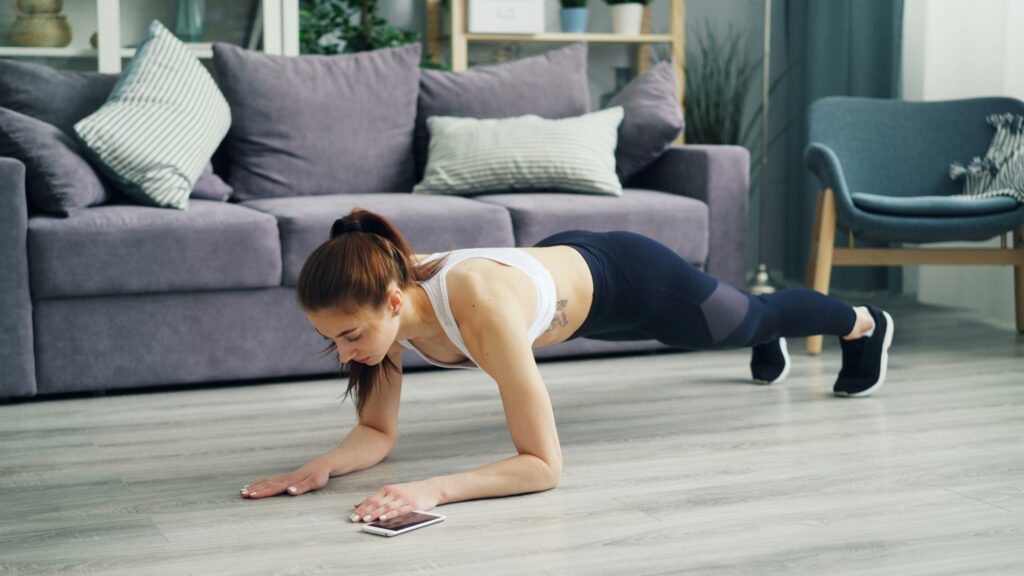
Starting a Workout Routine Does Not Have to Be Complicated
Beginning a fitness routine can feel intimidating. Many people think they need special equipment, long workouts, or advanced knowledge to get started. The truth is much simpler. A beginner-friendly workout routine at home can be one of the most effective ways to build strength and confidence.
Working out at home removes many of the common barriers to exercise. There is no commute, no crowded gym, and no complicated machines to learn. All you need is a small amount of space and the willingness to move your body consistently.
The goal for beginners should always be simple. Focus on learning a few effective exercises and performing them regularly. As your strength and endurance improve, your routine can naturally grow with you.
Why Home Workouts Are Perfect for Beginners
Home workouts allow you to move at your own pace while learning proper form. Without distractions or pressure, you can focus on building a strong foundation.
There are several advantages to starting with home workouts:
• You can train whenever it fits your schedule
• You control the pace of your workout
• There is no need for expensive equipment
• It becomes easier to build a consistent routine
Consistency is the most important factor in fitness. Even short workouts performed regularly can produce impressive results over time.
If you are completely new to exercise, you may also benefit from reading How to Start Working Out When You Are Completely New to Fitness, which explains how to begin building a routine without feeling overwhelmed.
A Simple Beginner Home Workout
This routine focuses on basic bodyweight movements that strengthen the entire body. Perform each exercise slowly and with good control.
Try completing the following exercises:
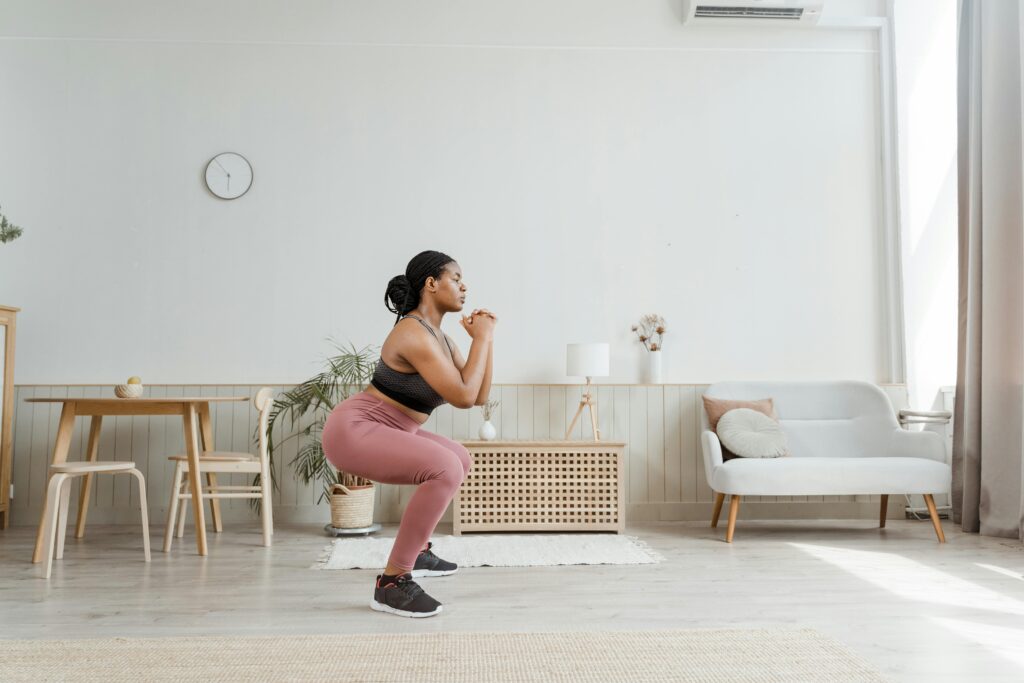
Squats – 10 repetitions
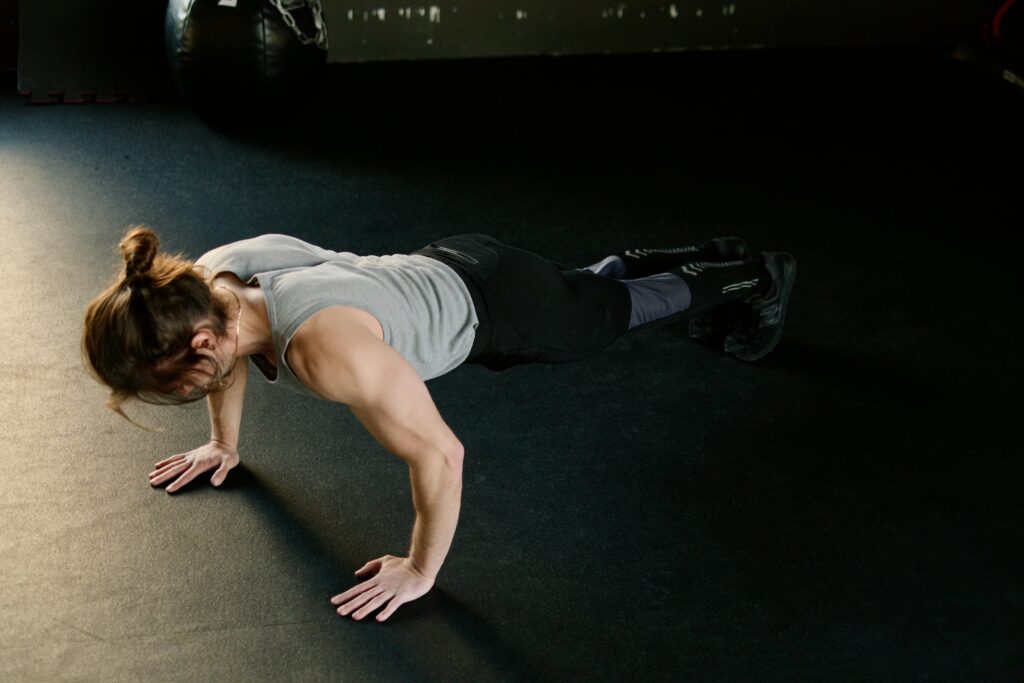
Push ups – 6 to 10 repetitions (on knees if needed)
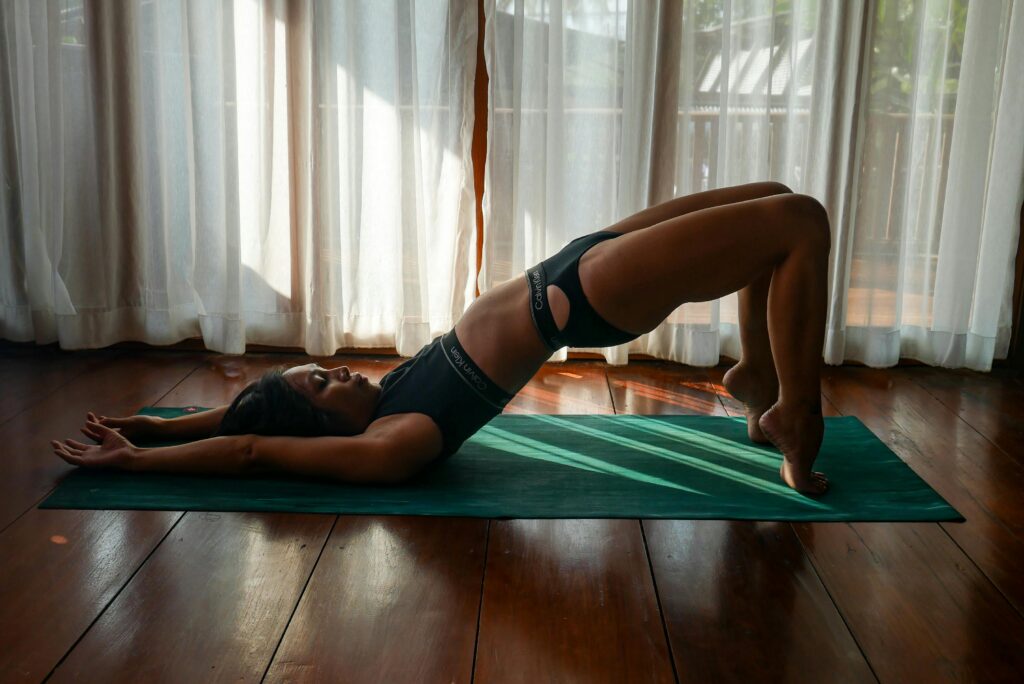
Glute bridges – 12 repetitions
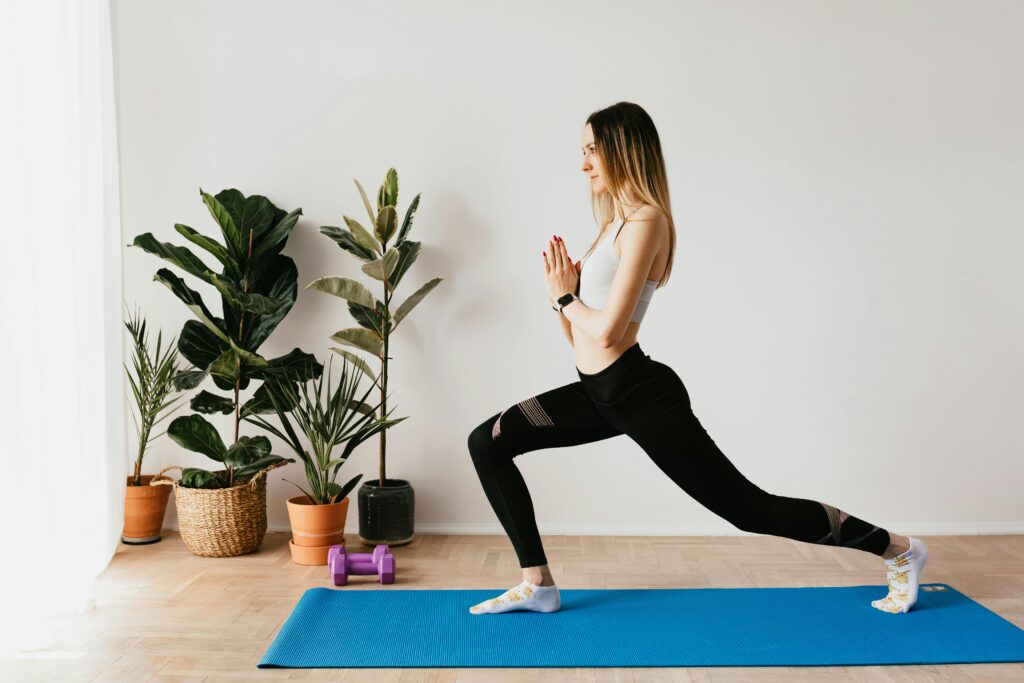
Standing lunges – 8 repetitions per leg
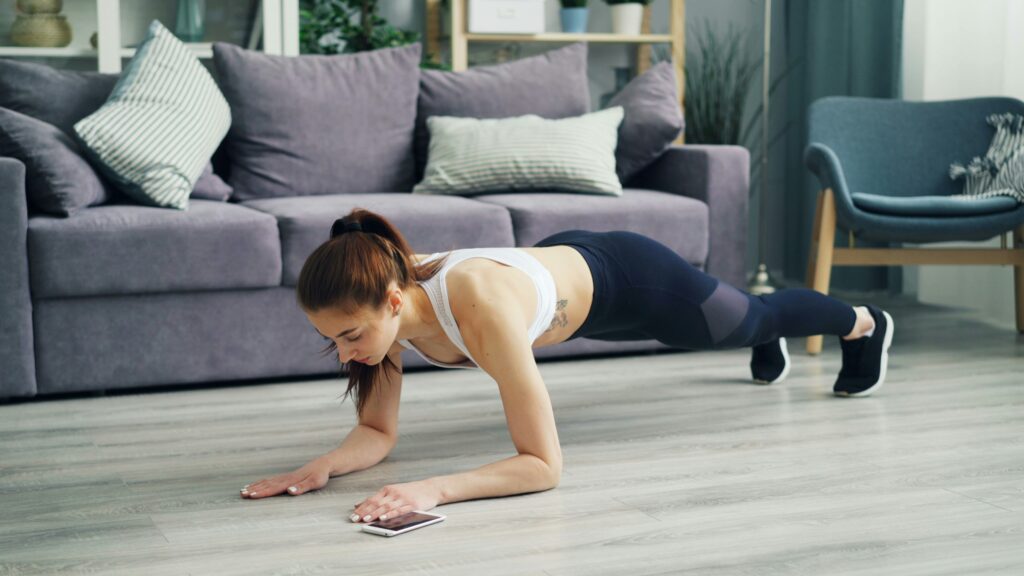
Plank – hold for 20 seconds
Complete the full circuit three times.
Take about one minute of rest between rounds. The goal is to maintain steady effort while keeping good form throughout the workout.
If three rounds feel too challenging at first, start with two rounds and build up gradually as your body adapts.
Understanding What Each Exercise Does
Each movement in this routine plays an important role in strengthening your body.
Squats train the legs and glutes while also engaging the core. They help improve everyday movements like standing and lifting.
Push ups strengthen the chest, shoulders, and arms while also activating the core. If regular push ups are too difficult at first, you can perform them with your knees on the floor.
Glute bridges strengthen the hips and lower body and help activate muscles that often become weak from long periods of sitting.
Lunges improve balance while building strength in the legs and glutes. This movement also trains coordination between both sides of the body.
Planks develop core stability, which supports nearly every movement you perform during exercise.
Together, these exercises create a balanced beginner workout that targets the entire body.
How Often Beginners Should Work Out
For most beginners, exercising three times per week is a great starting point. This allows your body to adapt to the new movements while giving your muscles time to recover between sessions.
A simple weekly schedule might look like this:
• Monday workout
• Wednesday workout
• Friday workout
This structure keeps your routine manageable while helping you build momentum.
Many beginners also wonder how much volume they should perform during each workout. If you want to understand how training volume affects strength progress, you may find How Many Sets and Reps Are Best for Building Strength helpful.
Building the Habit of Regular Exercise
The most important part of any workout routine is consistency. Results rarely come from occasional bursts of motivation. They come from steady effort over time.
Try setting a specific time for your workouts during the week. Treat it as an appointment with yourself. Even if the workout is short, completing it helps build the habit of movement.
Over time, exercises that once felt difficult will begin to feel easier. Your strength will improve, your endurance will grow, and your confidence will increase.
Fitness is not about perfection. It is about showing up, doing the work, and finishing each session knowing you moved one step closer to your goals.