
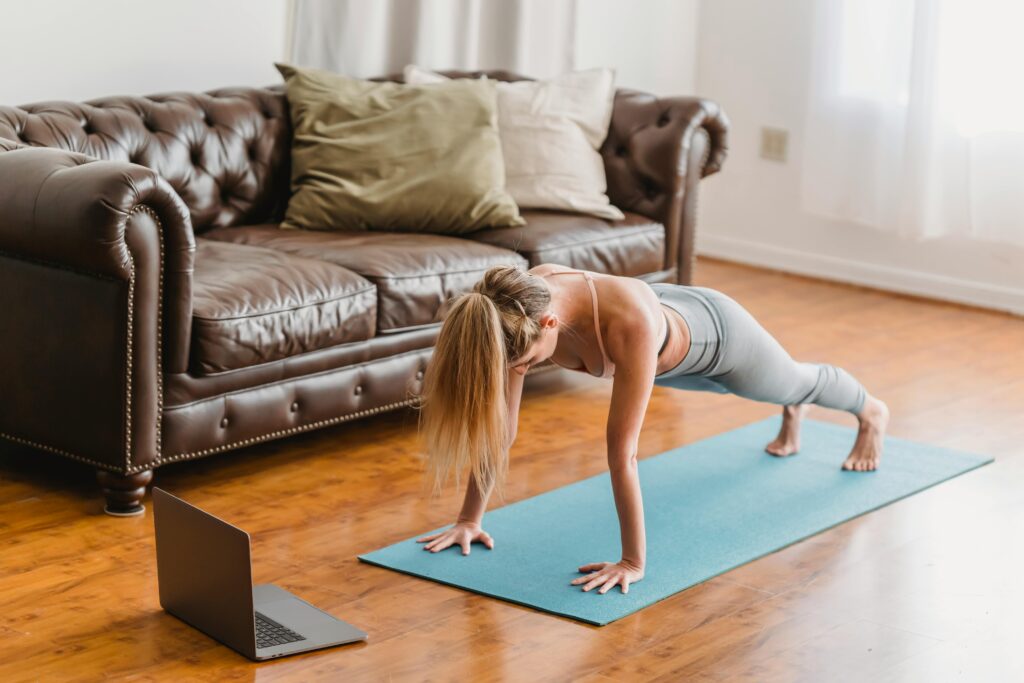
A Simple Full Body Workout That Actually Works
A good workout does not need expensive equipment, a gym membership, or complicated routines. Some of the most effective workouts rely only on your body weight. With the right movements and a little consistency, you can build strength, improve endurance, and feel stronger every week.
A full body workout at home is one of the most efficient ways to train. Instead of focusing on one muscle group at a time, full body routines work several major muscle groups in a single session. This saves time while helping your body build balanced strength.
If you are just starting out or want a reliable routine you can do anywhere, this simple bodyweight workout is a great place to begin.
Why Full Body Workouts Are So Effective
Full body workouts train multiple muscle groups during one session. That means your legs, core, and upper body all get attention at the same time.
This style of training offers several benefits.
• You burn more energy in a single workout
• Your muscles work together the way they do in everyday movement
• You can train fewer days per week and still make progress
• Workouts stay simple and efficient
For many people training at home, this approach removes a lot of the confusion around fitness. Instead of worrying about complicated splits, you can focus on good movement and steady progress.
If you are completely new to exercise, you may also find it helpful to read How to Start Working Out When You Are Completely New to Fitness, which explains how to ease into a routine without feeling overwhelmed.
The Best No Equipment Full Body Workout
This routine focuses on fundamental bodyweight exercises that target the entire body.
Try performing the following exercises in a circuit.
• Squats – 12 to 15 repetitions
• Push ups – 8 to 12 repetitions
• Glute bridges – 12 to 15 repetitions
• Plank – hold for 20 to 30 seconds
• Reverse lunges – 10 repetitions per leg
• Superman hold – 20 seconds
Complete the full circuit three times.
Rest for about one minute between rounds. The goal is to keep the workout moving while still maintaining good form.
If this feels challenging at first, start with two rounds and build up as your strength improves.
How These Exercises Strengthen Your Body
Each movement in this workout targets key muscle groups that support overall fitness.
Squats work the thighs, glutes, and core. They are one of the most effective exercises for building lower body strength.
Push ups strengthen the chest, shoulders, and arms while also engaging the core. They are a foundational upper body exercise that improves functional strength.
Glute bridges activate the glutes and help support hip stability. Many people spend long hours sitting, so this movement helps restore balance in the lower body.
Planks build core strength and stability. A strong core supports nearly every movement you perform during workouts and daily life.
Reverse lunges train balance and coordination while strengthening the legs.
The superman hold targets the lower back and helps improve posture, which is especially helpful if you sit for long periods.
Together, these movements create a balanced bodyweight workout that trains the entire body.
How Often You Should Do This Workout
Consistency matters more than intensity when starting a new routine. Performing this workout three times per week is enough to build noticeable strength over time.
For example, you could train on Monday, Wednesday, and Friday. This gives your muscles time to recover between sessions while keeping your progress steady.
As your fitness improves, you can increase repetitions, add another round, or shorten your rest time.
Many people also wonder how many sets they should perform when trying to build strength. If you are curious about that, take a look at How Many Sets and Reps Are Best for Building Strength, which explains how training volume affects results.
Staying Consistent With Home Workouts
The biggest advantage of home workouts is convenience. There is no commute to the gym and no equipment setup required. You can train in your living room, your bedroom, or even outside on a nice day.
Keeping your routine simple makes it much easier to stay consistent.
Try setting a regular workout time during the week. Some people prefer mornings, while others find evening workouts fit better into their schedule.
Even short sessions can create real progress if you stay consistent. Strength, endurance, and confidence build slowly over time.
One workout will not change everything. But showing up for that next session and finishing one more set can make all the difference.